
How it works
How an Appliance Repair Visit Works
Our local appliance repair professionals investigate leaks, lost heat and cooling trouble around Radcliff. Call about the problem now; your technician checks the appliance, explains the repair and tests the result after the work.
Four Steps Through an Appliance Repair
- Make the call. Say which appliance has failed and what you noticed. Your town and street address help put the repair request in place.
- Discuss the symptoms. The conversation moves to an appliance repair professional who takes the request forward. Share the brand or display message when handy.
- Hear the findings. Your technician examines the appliance and explains the cause, proposed work and price. You decide whether to approve the repair before it starts.
- Finish with testing. Your technician repairs the agreed fault and checks the appliance's operation. A needed part can mean completing the work during a return visit.
Safe Choices While Your Repair Moves Forward
You can call immediately; simple safety steps need no supplies and are never prerequisites for requesting repair.
- Switch the appliance off, or unplug it only when safely accessible.
- Leave both the refrigerator and freezer shut whenever they are no longer cooling.
- Leave without touching switches if you smell gas; call 911 from outside.
Read more
| Step | What happens |
|---|---|
| Start the conversation | You describe the appliance problem and give the service address. |
| Discuss the request | The repair conversation covers symptoms and relevant appliance details. |
| Review the diagnosis | Your technician explains the cause, proposed repair and price. |
| Complete the work | Approved repairs are followed by checks of the affected functions. |
Start With What You Have Noticed
Say which appliance is affected and what changed when you call. A refrigerator may run without cooling, a dishwasher may stop with water inside, or an oven may heat unevenly. Those observations are enough to begin. There is no need to identify a failed part, find paperwork or gather photographs.
If the model label is easy to read, share the brand and model during the conversation. Leave an appliance in position if the label is hidden. Read any display code exactly as shown; codes belong with the appliance's model details and should not be interpreted from memory.
Carry the Request Into a Repair Visit
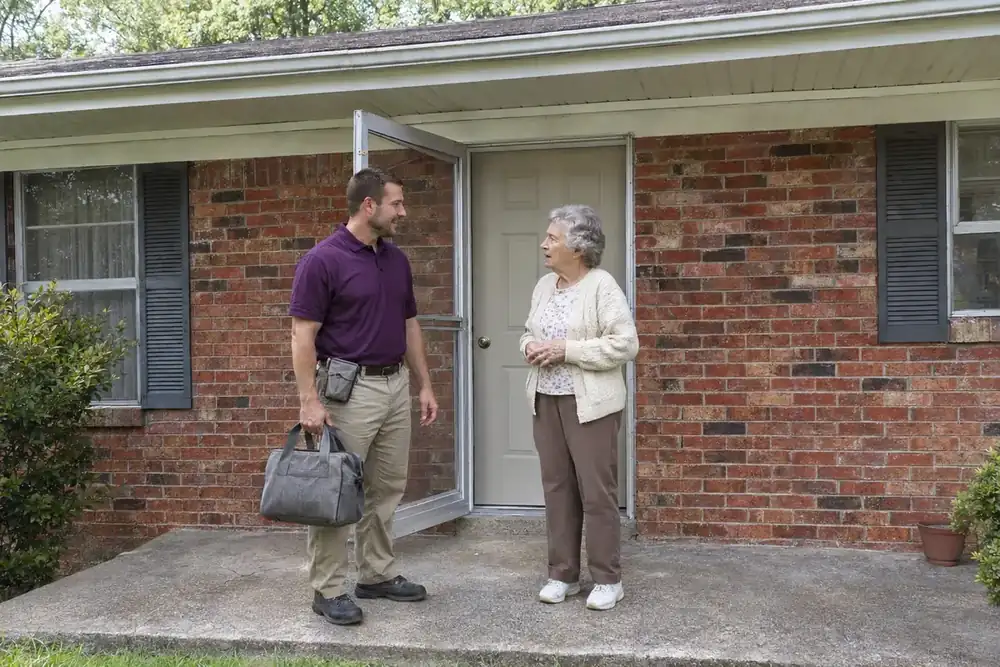
Your call connects you with one of our local appliance repair partners for the next steps. Explain any access detail that matters, such as a stacked laundry pair or an appliance built into cabinetry. You do not need to move equipment, expose connections or take anything apart.
Your technician examines the appliance to identify the cause. A similar symptom can come from different faults, which is why a phone description starts the process and the inspection establishes the repair plan.
Understand the Work You Are Approving
Before the job starts, you receive an explanation of the repair work involved and what it will cost. Ask what the work includes and how the affected function will be checked afterward. If a necessary part must be ordered, your technician explains the return visit needed to finish the repair.
After the agreed work, testing checks the functions involved in the fault. An appliance that completes the relevant checks gives your technician more useful evidence than simply seeing its display light up.
Keep Waiting Steps Simple
Use the normal controls to switch a faulty appliance off, or unplug it only if the plug is easy and safe to reach. Keep a refrigerator or freezer closed during lost cooling. Neither step requires opening panels.
For a gas smell, leave without operating switches and call 911 or the gas utility from outside. Contact the repair line after the immediate danger has been addressed.
Call with the appliance that is interrupting your day, and describe the first change you noticed.
Call (270) 600-0253